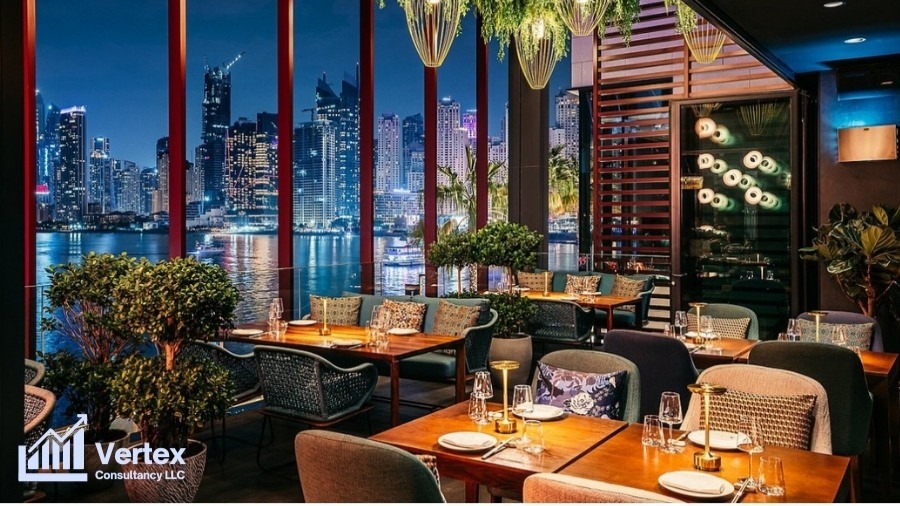
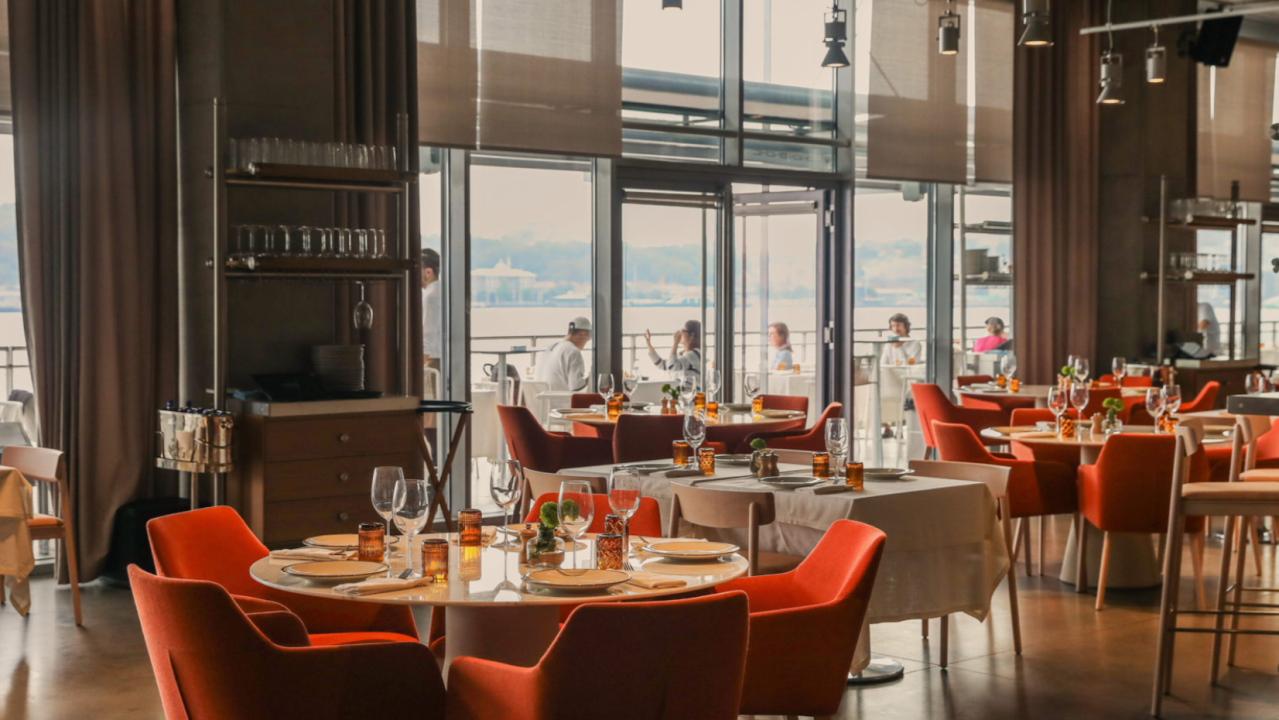
Restaurants remain one of the most common E-2 investment choices. They are also one of the most misunderstood.
In recent E-2 restaurant cases I’ve reviewed, outcomes rarely hinged on cuisine, branding, or even location. Instead, adjudication consistently turned on whether the business plan reflected operational reality—not conceptual promise.
Across multiple active reviews, the same weaknesses appear often enough to be predictable. This article consolidates those recurring patterns and explains how adjudicating officers actually evaluate restaurant cases.
COGS Is Not a Financial Input — It’s a Credibility Signal
Based on what I have consistently seen across recent restaurant filings, food cost assumptions are one of the first areas officers pressure-test.
Adjudicators already understand:
- Ingredient price volatility
- Portion creep
- Menu-driven margin compression
When COGS percentages fall outside industry benchmarks without a process-based explanation, the issue is not optimism. It is credibility. Across repeated review outcomes, unsupported COGS assumptions are treated as a proxy for weak operational control.
Inventory Management Is Read as Risk Control
In ongoing E-2 restaurant reviews, inventory is not viewed as an operational detail. It is viewed as a control system. From time to time, cases shared with me during review show strong revenue projections but no explanation of:
- Inventory tracking methodology
- Purchase frequency
- FIFO implementation
- Shrinkage and spoilage controls
This omission is not isolated. Across multiple filings, it recurs. A restaurant that cannot explain how inventory is managed is implicitly assumed to leak margin.
Revenue Must Be Operationally Explainable
Across recent filings I’ve reviewed, revenue projections are rarely questioned for being “too high.” They are questioned when they are not mechanically explained.
In active matters, officers consistently test:
- Seating capacity vs. staffing
- Table turns by service period
- Average check size logic
- Dine-in versus delivery mix
Across multiple reviews, unexplained top-line growth signals theoretical revenue—not operational revenue. This pattern has shown up often enough to be predictable.
Staff Modeling Is a Second Pressure Point
In ongoing E-2 restaurant reviews, labor is treated as the second margin pressure after COGS.
Officers understand:
- Wage inflation
- Overtime exposure
- Front- vs back-of-house ratios
Based on what I have consistently seen, plans that understate early labor or delay hiring unrealistically appear engineered to make the numbers work. Across repeated outcomes, this weakens trust in the entire financial model.
Vendor Dependency Is Quietly Evaluated
From time to time, active cases reviewed during adjudication reveal heavy reliance on a single supplier with no contingency plan. In current restaurant E-2 reviews, officers increasingly expect:
- Backup vendors
- Price-adjustment strategies
- Contract versus spot-purchasing logic
A restaurant that collapses under a supply disruption is not viewed as sustainable. This is not a one-off observation. Across recent cases, it has been consistent.
The Investor’s Role Must Anchor Operational Control
In active matters, this tends to surface clearly. Officers are not asking whether the restaurant can operate. They are asking whether this investor can control it.
Across multiple reviews, weaker cases share common traits:
- Passive or generic investor roles
- No direct cost oversight
- No accountability for inventory, labor, or vendors
A restaurant E-2 case does not fail because the business exists. It fails because control is unclear.
Across recent E-2 restaurant cases, approvals cluster around plans where:
The Adjudication Reality
- COGS discipline
- Inventory controls
- Labor logic
- Revenue mechanics
All reinforce the same operational story. Adjudicating officers already know where restaurants bleed money. Your business plan must show that you know it too—and that the business has been structured accordingly.
In E-2 restaurant adjudication, operational reality speaks louder than concept.
Expert Business Plans E-2 Success
At Vertex Business Plans, we specialize in preparing USCIS-Ready business plans tailored for E-2 visa strategies. Our plans integrate financial projections, hiring roadmaps, market research, and structural details — giving adjudicators the confidence to approve your case and giving you the clarity to execute your expansion effectively.
Your U.S. Expansion Starts With the Right Visa Strategy